Last August, I joined SEACA as the Youth Leadership Project (YLP) Trainer. YLP is our first-year program that feeds into our Youth Organizer (YO) program that requires youth to have background knowledge on Chinatown in order to outreach in the community. During fall semester, I found that some of the YLPs had grown up in Chinatown or came to visit family here, or access cultural spaces. However, about half of our youth were not connected to the community. They merely saw Chinatown as a place to eat and shop. As part of the youth development, I wanted to find an engaging and creative way to bridge the gap between the community and the youth.
Examining “Who Makes Chinatown?” served as an entry point into a deeper understanding of our community, the people who live here, the forces that shape our built environment, the diversity of languages and cultures, and the shared experiences that make it home to low-income immigrant and refugee families.
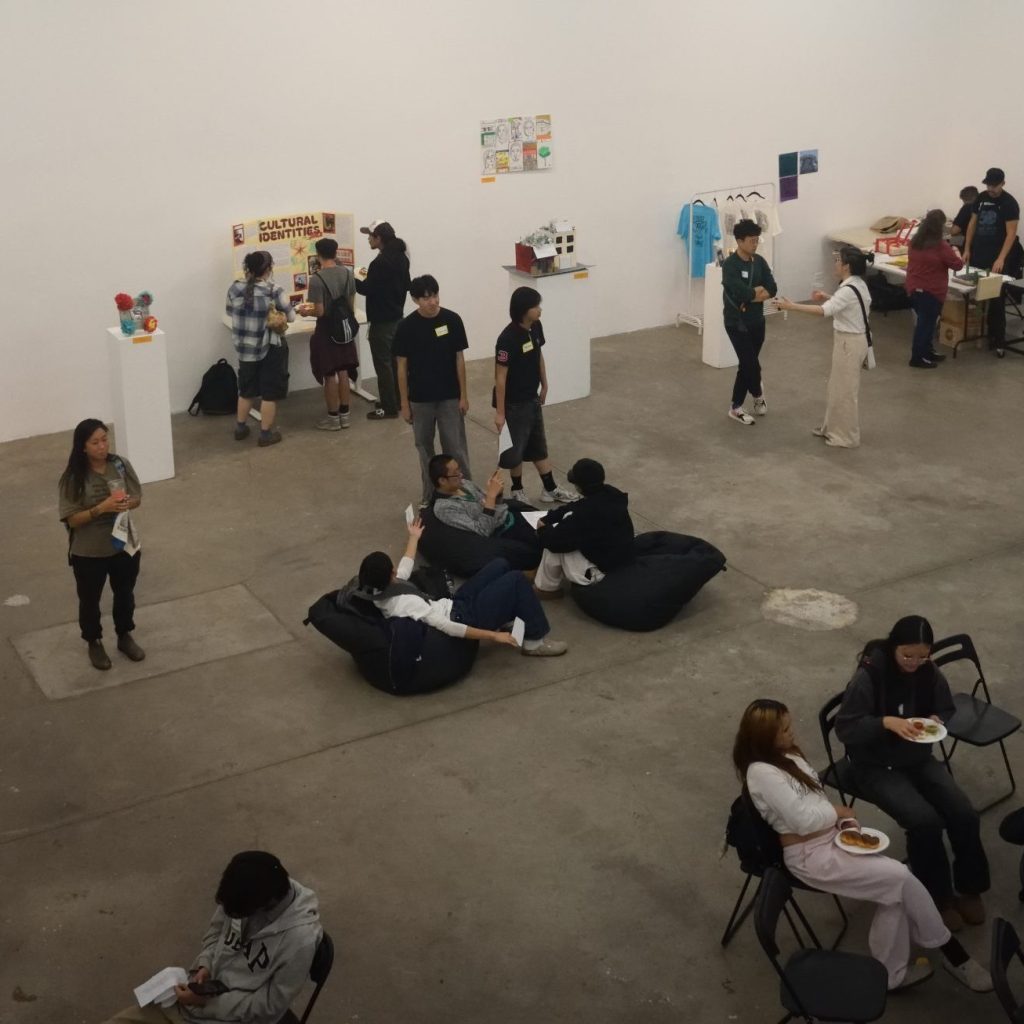
Working in groups the youth interviewed community members on a variety of topics from immigration and culture, to housing issues, to parks as important community spaces. The project culminated in an art exhibit, where youth were able to share creative representations of the lessons they took away, and celebrate their accomplishments.
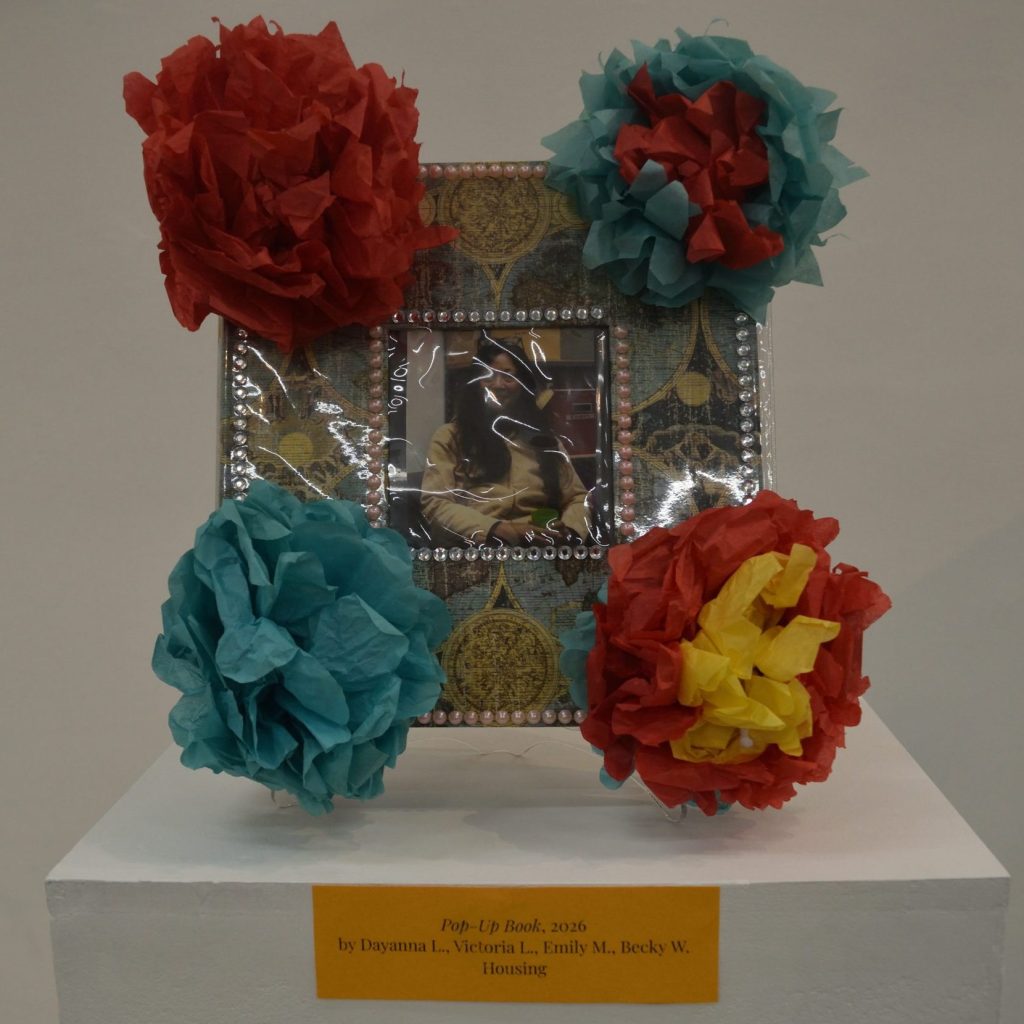
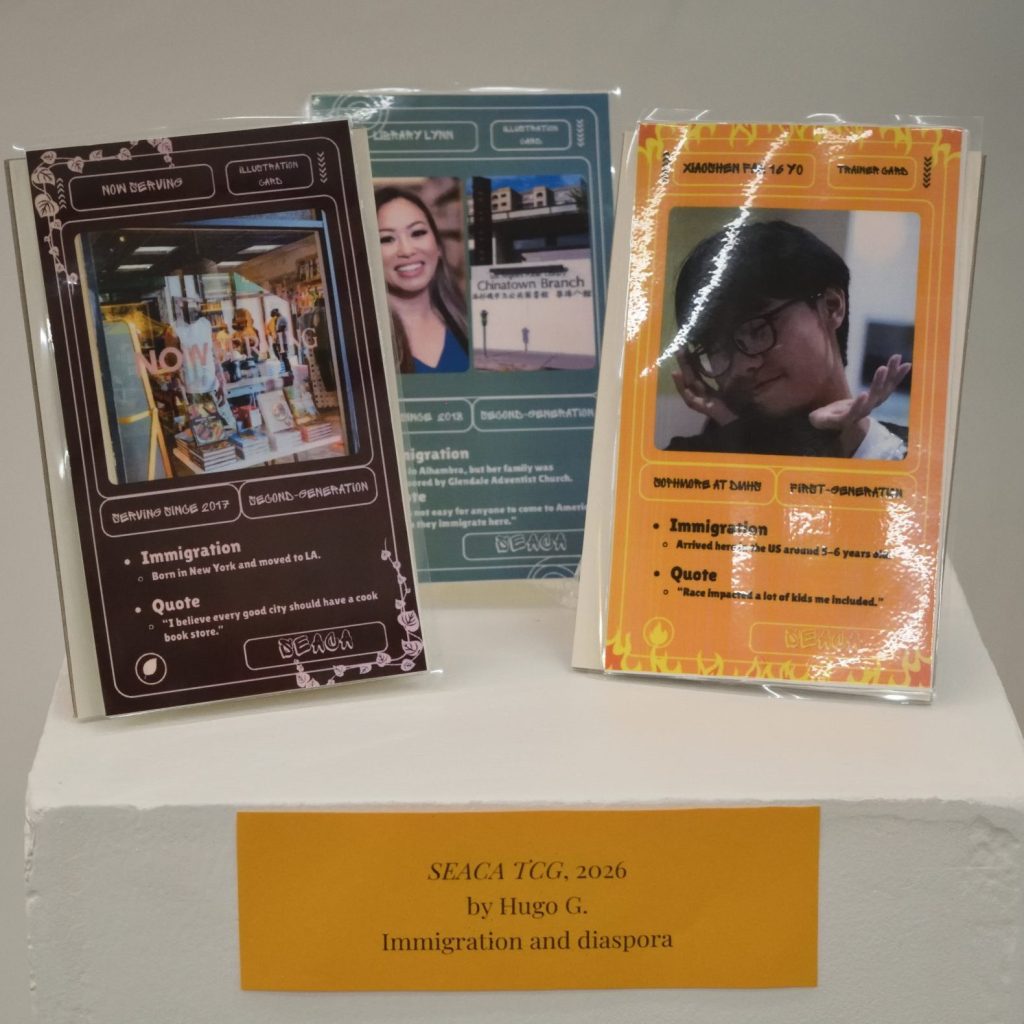
The following are youth reflections of their experiences as YLPs, as well as with the storytelling project. Hoang’s group documented the community-building at Alpine Park, Hugo’s solo project explored immigration through trading cards, and Arden’s group focused on housing and created a pop-up book. These are just a few of the youth who grew into their confidence and interpersonal skills, while building deeper connections to Chinatown.
Why did you join the Youth Leadership Project?
Hoang (Freshman): Looking back, my year with SEACA was an awesome experience! The art gallery served as the perfect opportunity for everyone involved to showcase the knowledge and skills we learned as YLPs. Our advisors Aron, Sam, and Ivy helped us share our hard work with the Chinatown community through an art gallery exhibit. This made our efforts feel incredibly rewarding.
Hugo (Sophomore): During the past school year, I was working on a project that reflected my growth as a YLP member with SEACA. When I was presented with the option to document anything about Chinatown, I knew I wanted to explore the topic of immigration. By interviewing people like Xiaoshen, Ken, and Lynn, I was able to translate their personal stories into an accessible card that honors them within the community.
Arden (Sophomore): The Youth Leadership (YLP) program initially came to my attention around the first semester of my sophomore year when I was still looking for different programs and extracurriculars to commit to. At the time, I felt very reluctant to enter a program where I would be meeting new people, and ended up not joining until around the second semester.
When I initially joined, I felt interested in the project, though it was admittedly a bit intimidating for two reasons. Firstly, considering I had joined YLP much later than everyone else, I thought it would stir problems with my group. Secondly, since I didn’t grow up in Chinatown and had little to no connection with the area, I worried that my participation in the project would fail to provide much assistance. As time progressed, however, I quickly realized that I couldn’t have been more wrong. I was quick to warm up to my group members and we learned to work with each other quite well. While I was unfamiliar with doing something of the sort, it quickly became something I found myself enjoying and looking forward to.
What were the highlights of collecting stories and turning them into a gallery exhibit?
Hoang: The art gallery was a part of our storytelling project we all had to do with other YLP’s or by ourselves. Our end goal of the project was to raise awareness and tell the stories of the people and problems in Chinatown. Everybody presented their art, and explained what it meant. Art isn’t just about aesthetics, but a powerful tool for advocacy that helps communicate people’s experiences into narratives that others can relate to.
As the person who did a lot of the interviewing, I found it fascinating that all of these people had so many different experiences tied to Alpine Park. I interviewed a school teacher who let his kids play on the playground after school and a park worker who was just so involved in the community that he ended up working there. Everybody was there for a reason, whether it be for their jobs, to babysit their kids, or just to have fun!
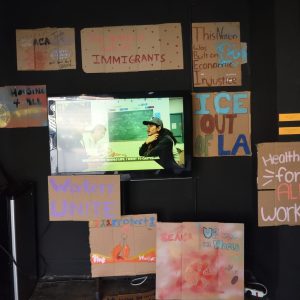
Hugo: This experience changed my perspective and was a deep dive in active listening and empathy. I learned that immigration isn’t just a political topic—it is an act of preserved courage. Sometimes advocating doesn’t need to happen in a courtroom, it can be spread, like how Lynn the librarian created a teen space, or a thoughtful business owner like Ken uses his shop to maintain a cultural community. I had to explain their experiences in just a sentence or two without losing the importance of their stories, which taught me responsible representation.
When I presented my project at the Human Resources Gallery, I didn’t feel nervous at all. Instead, I felt a sense of relief to finally have the work I spent months planning and working on and to be able to share their experiences with everyone who attended.
Arden: The project presented me with opportunities to further involve and educate myself on the issues occurring in Chinatown, such as gentrification. Moreover, one of my favorite things was getting to know different people and their experiences with Chinatown. I was especially appreciative of the interviewees because two of them were community organizers. Listening to these stories and putting together an art piece was an incredibly exciting process, since we put together something special to represent each person we interviewed.
How did the storytelling project impact your connection to SEACA and Chinatown?
Hugo: Beyond the design work, the project itself fundamentally changed how I view my role in Chinatown as a youth leader. It took some effort to manage the interviews, do the research, and put the designs together in Canva, but it was worth it to see the project come to life. It showed me that I can be a part of documenting our community’s history. It also made me feel more connected to the people who work hard to make Chinatown a home for everyone.
Arden: Overall, my experience in SEACA has exposed me to a variety of things I wish I’d learned much sooner, and the storytelling project is something I will never forget. Not only was it an invigorating process, it allowed me to step out of my comfort zone and challenge me to try new things. I am grateful for SEACA and hope more young people have the opportunity to be a part of this program, especially if they wish to make a difference in their community.
Hoang: I really enjoyed the art gallery and storytelling project, and hope it becomes a recurring tradition because it provides a space for our voices and the local community to be heard. In a community that is constantly being gentrified and oppressed, SEACA and other organizations are helping locals and youth speak up. As I become a Youth Organizer, I hope that future YLPs can experience this amazing opportunity that helps them build their teamwork, interview, and public speaking skills. This was a highlight of my time as a YLP with SEACA and am super grateful for a chance to have been a part of it! I hope this blog can help others realize that they can make an impact in their communities whether it be big or small.
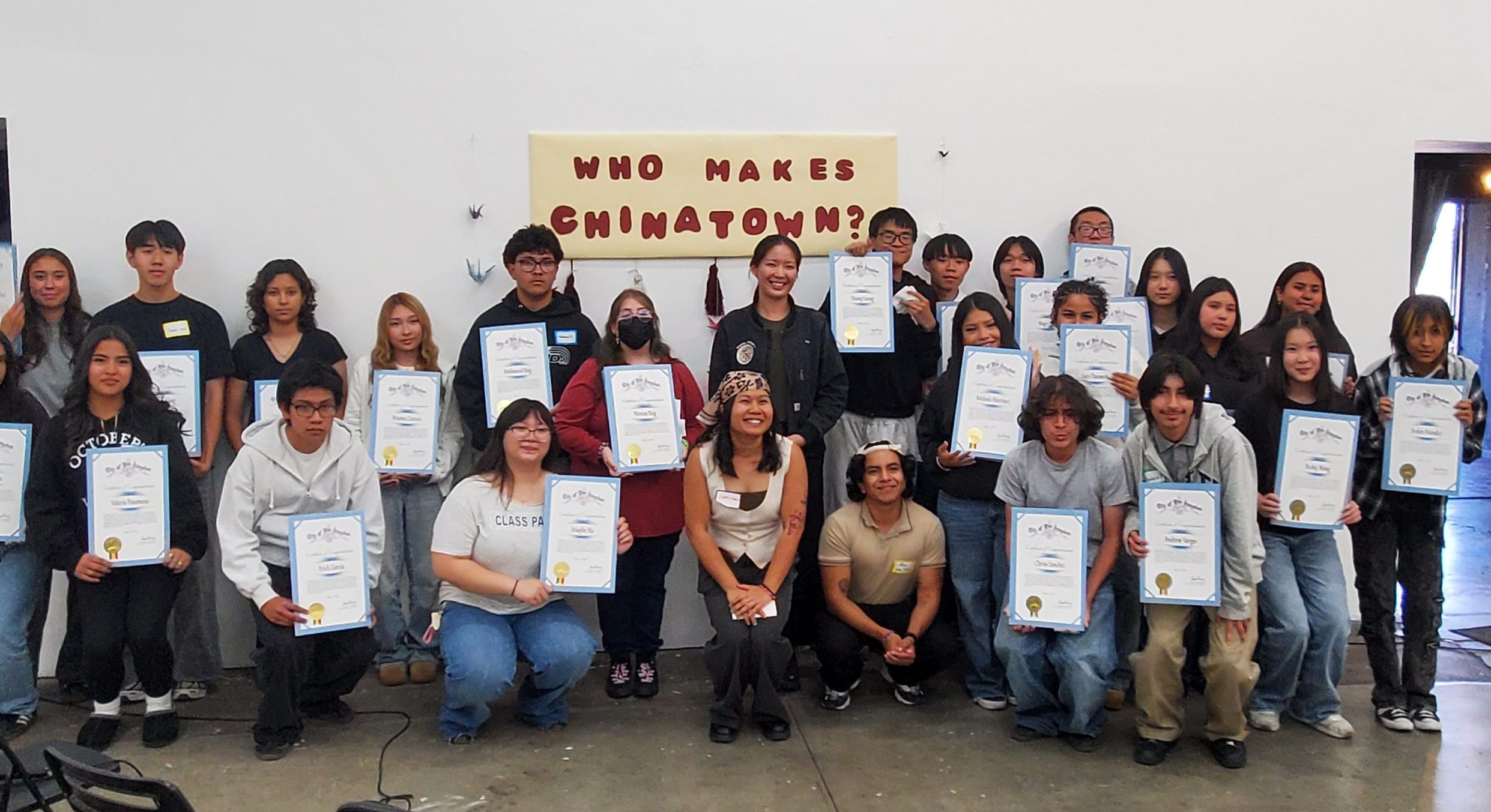
Our programs seek to develop confidence and creativity in our youth, build relationships, and support our community. Through this story-telling project the youth were able to feel connected to Chinatown and the issues impacting it, and developed important skills that YLPs need to become Youth Organizers. For many of them interviewing community members was a new and challenging experience, overcoming this challenge was a huge growth point for our students. As Hoang, Hugo, and Arden and other Youth Leaders become Youth Organizers, SEACA will have a strong cohort of new and returning students that have the skills and heart it takes to fight for our community.